Slide1 background
Slide2 background
Slide3 background
slide-4 background
Slide5 background
Slide6 background

The National Oceanographic Museum was officially inaugurated on Saturday, 27 June 2026, in a special ceremony marking an important milestone for marine science and oceanographic research in Pakistan. The ceremony was graced by Mr. Shahid Iqbal Baloch, Federal Secretary, Ministry of Science & Technology (MoST), as the Chief Guest.

Following the inauguration, the Federal Secretary, accompanied by Senator Mr. Karim Ahmed Khwaja and other distinguished guests, toured the museum's exhibits. During the visit, Director General Engr. Naimatullah Sohoo, along with former Directors General of the National Institute of Oceanography, briefed the guests on the museum's collections and highlighted Pakistan's rich maritime heritage and the Institute's contributions to oceanographic research.

The museum will serve as a national center to promote marine science, preserve Pakistan's oceanographic heritage, and inspire students, researchers, and the public about the importance of our oceans.


Joint Scientific Investigation Launched Following Oil Pollution Incident in West Bay, Gwadar

In response to the recent oil pollution incident in West Bay, Gwadar, the National Institute of Oceanography (NIO) and the Gwadar Development Authority (GDA) have officially launched a joint scientific investigation to assess the environmental impacts and identify the potential source of the pollution.

The investigation is being conducted under the leadership of Engr. Naimatullah Sohoo, Director General, NIO, and Mr. Moin-ur-Rehman, Director General, GDA. The technical investigation team comprises Dr. Waqar Ahmed (Principal Scientific Officer, NIO), Dr. Syed Rehan (Research Officer, NIO), Mr. Ali Jan Baloch (Senior Research Officer, NIO), Engr. Noshad Ali (Coastal Engineer), and Mr. Abdul Raheem (Deputy Director Environment, GDA), supported by NIO’s field data collection team.

As part of the investigation, sediment and seawater samples have been collected from affected locations to determine the extent and distribution of contamination, evaluate environmental conditions, and support impact assessment and monitoring activities. Advanced scientific approaches, including remote sensing analysis and pollutant transport modelling, will be employed to investigate the movement and potential origin of the pollutants. All collected samples will be analyzed at the National Institute of Oceanography Headquarters Laboratory, Karachi.

As an immediate response to the incident, the Gwadar Development Authority (GDA), Gwadar Port Authority (GPA), and Municipal Committee (MC) Gwadar have already undertaken emergency cleanup operations to minimize damage to the coastal environment.

The findings of this investigation will support the development of comprehensive remediation measures and contribute to a long-term environmental preparedness and adaptation framework for the region.

National Institute of Oceanography Conducts Comprehensive R&D Survey in the Indus Delta Region The National Institute of Oceanography (NIO), Karachi, successfully carried out a multidisciplinary Research and Development (R&D) survey in the Indus Delta region to collect scientific data and assess the prevailing environmental and oceanographic conditions of the coastal ecosystem. During the field campaign, NIO scientists and technical staff conducted extensive oceanographic investigations at various locations within the deltaic area. As part of the survey activities, an Acoustic Doppler Current Profiler (ADCP) was deployed in Dabbo Creek to measure water current velocities, tidal dynamics, and circulation patterns. The survey team also carried out Conductivity, Temperature, and Depth (CTD) profiling to record important physical parameters of seawater, including temperature, salinity, conductivity, density, and other oceanographic characteristics. These measurements provide valuable information regarding water column structure and environmental variability in the Indus Delta ecosystem. In addition, comprehensive sampling activities were undertaken for multidisciplinary scientific analyses. Water samples were collected for chemical and environmental assessments, including the determination of nutrient concentrations and water quality parameters. Sediment (soil) samples were obtained for geological and sedimentological studies aimed at understanding seabed characteristics, sediment transport processes, and coastal morphology. The biological component of the survey included the collection of phytoplankton and culture samples to evaluate marine biodiversity, primary productivity, and ecosystem health. These samples will support ongoing research on marine biological resources and environmental monitoring. The data and samples collected during this R&D mission will contribute to NIO's ongoing efforts to enhance scientific understanding of Pakistan's coastal and marine environment, particularly the ecologically significant Indus Delta region. The findings are expected to support evidence-based decision-making for sustainable coastal resource management, environmental protection, and future marine research programs.


National Institute of Oceanography, Pakistan


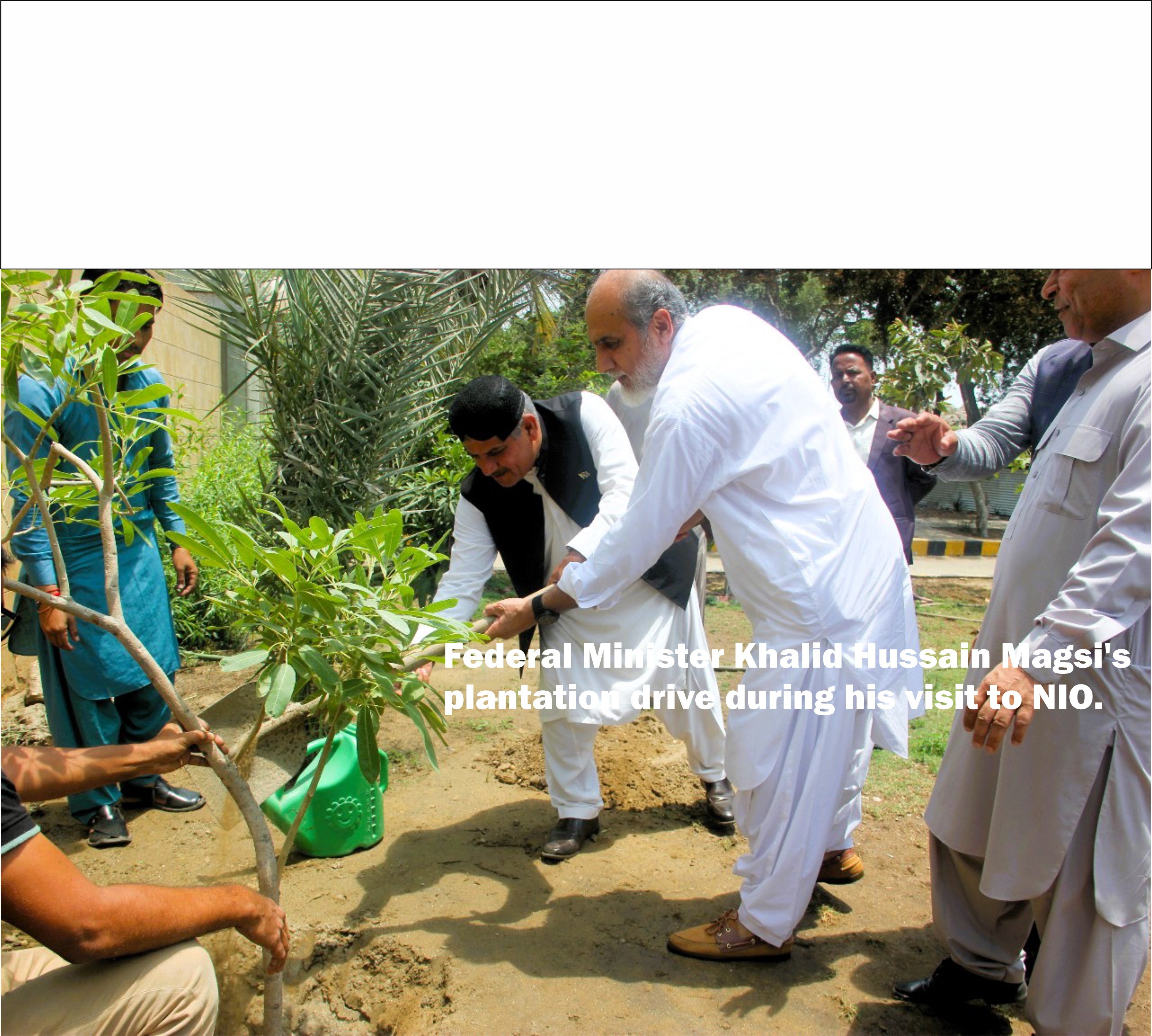
Mr. Khalid Hussain Magsi
Federal Minister for
Science and Technology
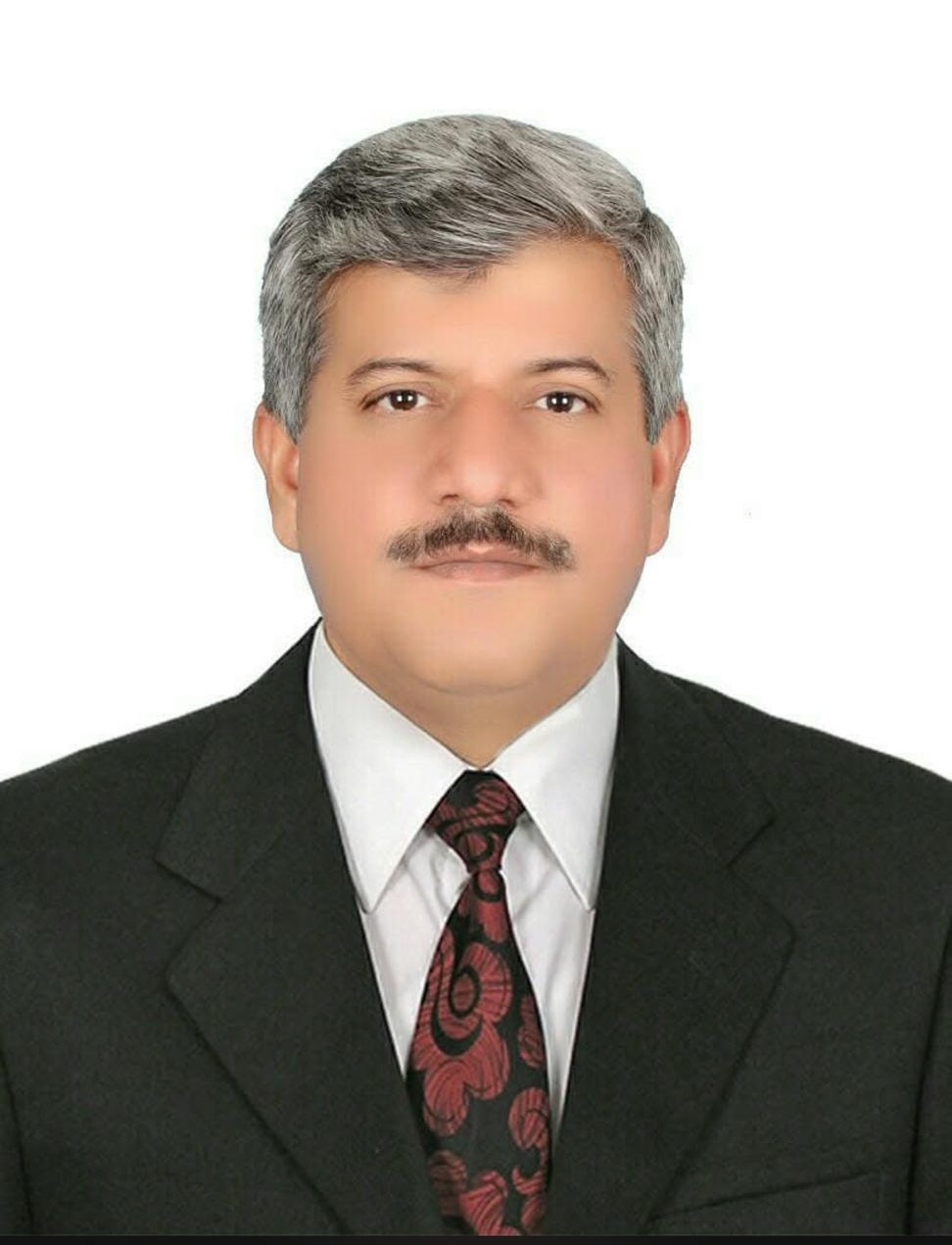
Mr. Shahid Iqbal Baloch
Secretary for
Ministry of Science and Technology
Engr. Naimatullah Sohoo
Director General

Extension of Continental Shelf Pakistan

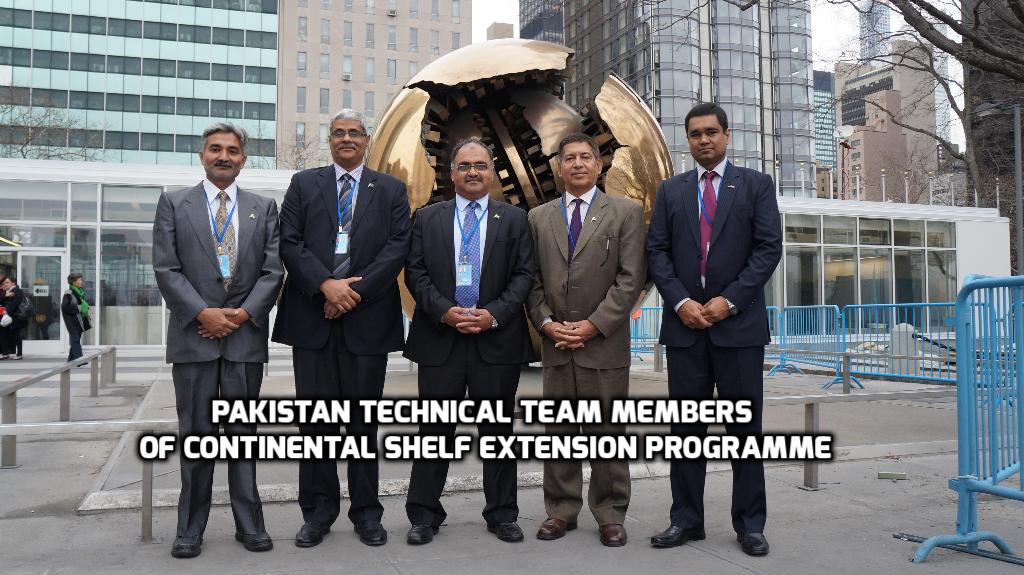
The UN Commission on Limits of Continental Shelf hason Friday 21st March 2015, announced adoption of the recommendations for Extension of Pakistan Continental Shelf. With this Pakistan’s continental shelf limits stands extended from 200 to 350 nautical miles, giving Pakistan sovereign rights over additional area of 50,000sq km beyond Pakistan’s Exclusive Economic Zone thus increasing Pakistan’s maritime area from 240,000 sq km at present to about 290,000 sq km.


PUBLIC SECTOR DEVELOPMENT PROGRAMME 2022-23

NIO's LATEST PSDP APPROVED PROJECTS
Sea Water Intrusion

Monitoring Sea Water Intrusion, Sea Level Rise, Land subsidence and coastal erosion Sindh and Balochistan cost

Strengthening ORS Gwadar

Strengthening of Oceanographic Research Sub Station Gwadar Pakistan

Biological Oceanography NIO, Pakistan

In broad perspective of objectives the emphasis is being given to Fisheries Biology, Marine Ecology and Aquaculture. For direct underwater observation and study of organisms NIO's Biological department laboratory has modern equipment.


Know your Ocean

No Matter where you live, the ocean affects your life


of protein consumption
comes from fish

of our oceans
are covered by sea Ice

of ocean is unexplored
by humans

of CO2 ocean abbsorbs
to the atmosphere
from human activites
each year

of international TRADE
travels by ships

Brief Scope of NIO Services

Coastal hydraulics & Seabed Survey
Marine Pollution Survey
Oceanographic Survey
Environmental Survey
Marine Exploration & Geo-Engineering Survey
Oceanographic Data Services
Feasibility Studies
Shrimp Hatchery And Farming

NIO Project Gallery

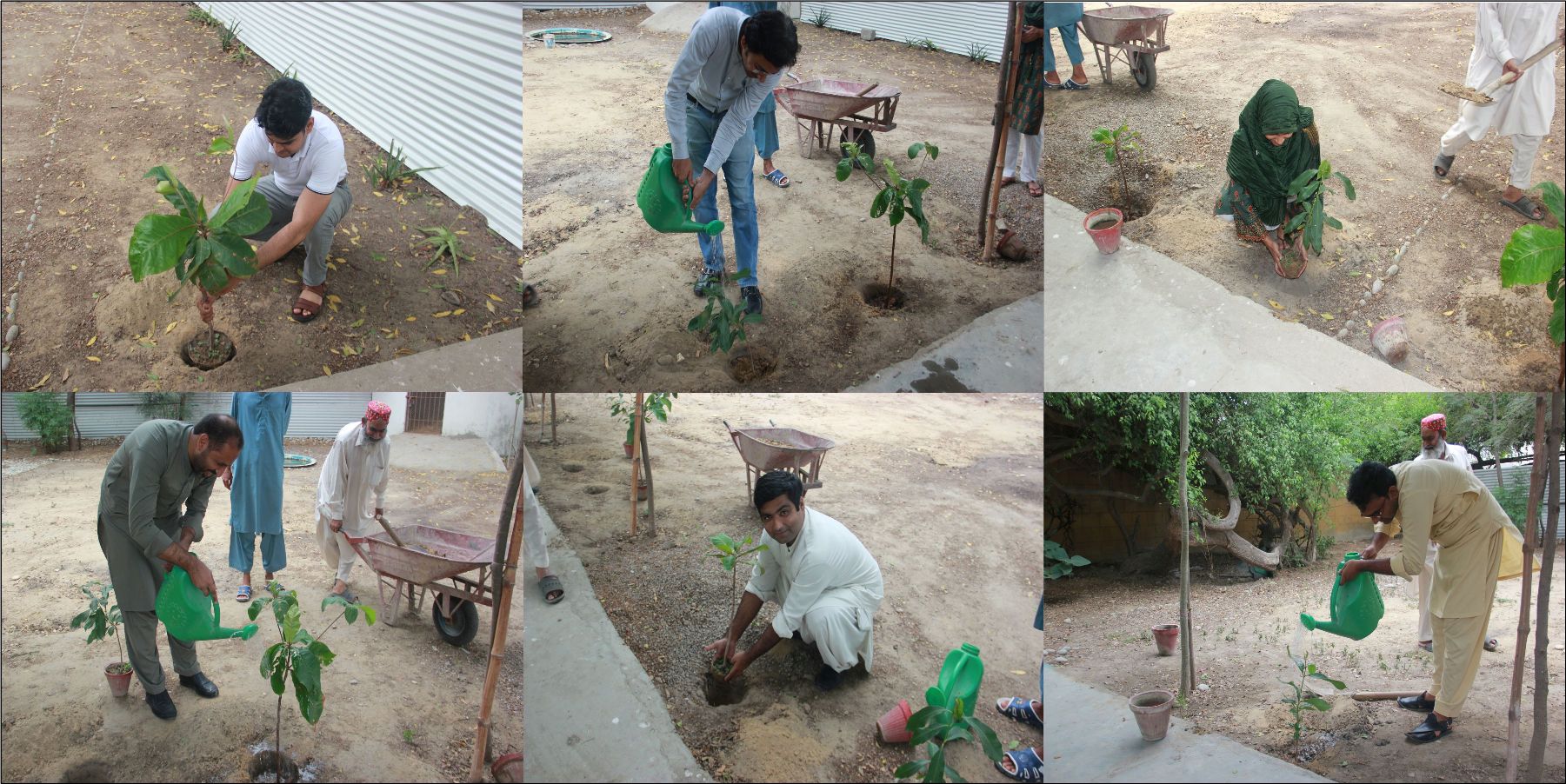
Picture 127 DSC00394 Picture 127 DSC05785 Picture 126 P1010243 IMG_5768 IMG_5719 DSCN4875